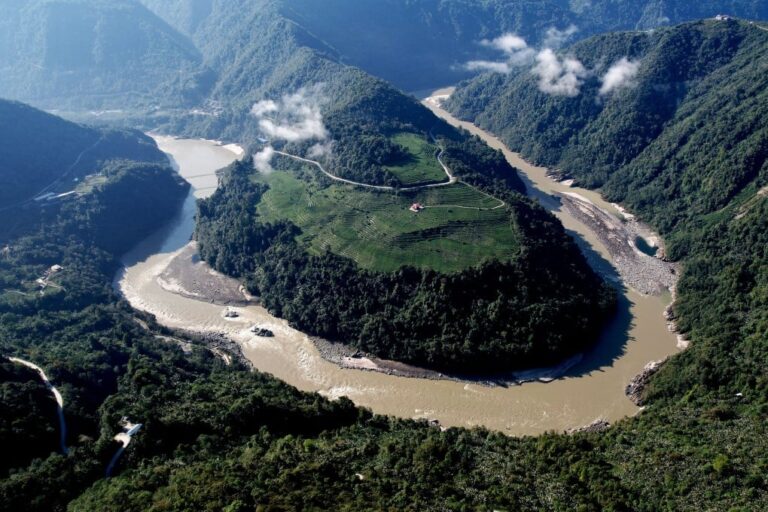
China has officially begun construction on a colossal hydropower project on the upper reaches of the Yarlung Tsangpo (known as the Brahmaputra in downstream nations). This “mega-dam,” estimated at RMB 1.2 trillion (about USD 170 billion), aims to generate nearly three times the power of the Three Gorges Dam, producing around 300 billion kWh annually—on par with a “project of the century.” ⛏️
Beijing emphasizes ecology-first planning and promises no significant downstream impact. But India, Bangladesh, and environmental groups worry it could effectively control water flow, affecting agriculture, drinking water, and livelihoods across Indian Arunachal and Assam states and Bangladesh. They also cite the dam’s location in a high-earthquake-risk zone as an ecological and safety hazard.
As a former crane industry professional and social media marketer passionate about infrastructure, I see this not only as a geopolitical flashpoint but a game-changer for China’s crane and heavy-equipment industry. Let’s dive into how this mega-dam will transform domestic manufacturing, international markets, and the global heavy-lift landscape.
1. China’s Crane Industry Enters Its Golden Era
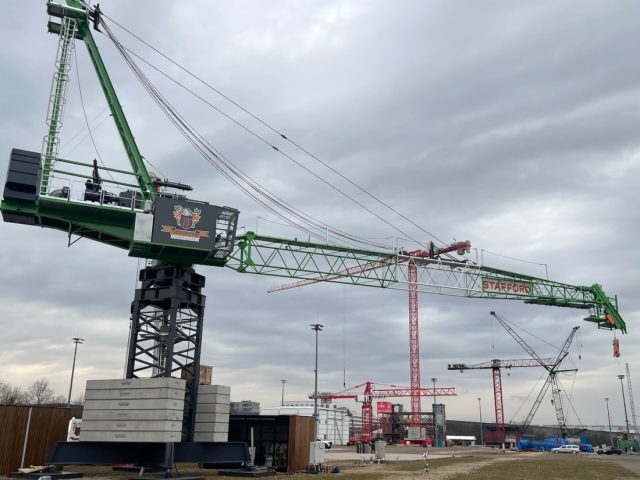
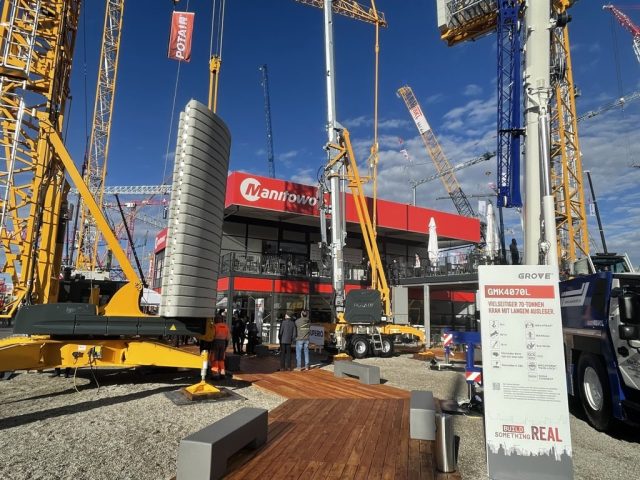
Building a dam of this magnitude demands an immense fleet of heavy lifting equipment. We’re talking thousands of high-load tower cranes, mobile hydraulic cranes, and auxiliary hoisting gear—not just for construction of the dam wall, but for building spillways, tunnels, powerhouses, and worker camps at high altitude.
Market forecasts show the dam-building tower crane segment will reach USD 354 million in 2025 and maintain an astonishing CAGR of 17.1% through 2033. That’s a direct result of large hydro projects like this one.
For the broader crane market, annual growth of 4.2–4.7% is expected until 2031, with a global market size projected at USD 51.7 billion by 2032. Within China, that rises even more dramatically: tower cranes will carry the heaviest technical burden, while mobile and self-propelled cranes are forecasted to enjoy a 6.3–9.6% CAGR until 2032. These figures aren’t theoretical—they reflect an immediate need that is just now arriving.
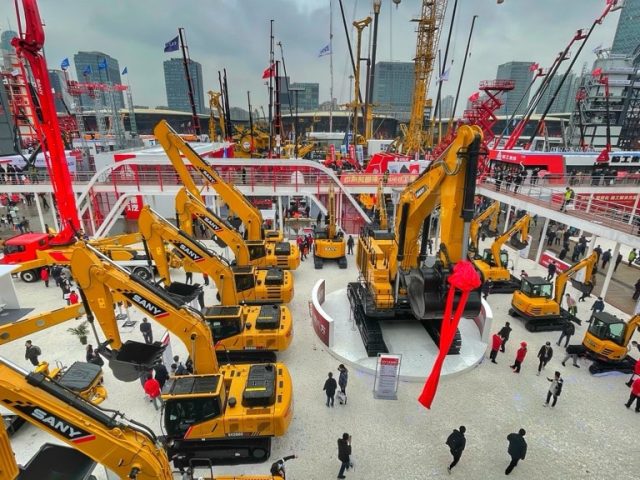
Crane brands like Zoomlion, Sany and XCMG are standing at the edge of an explosion in demand. Their tower cranes—engineered for ultra-high load and altitude—are perfect for this project. But it’s not just tonnage; it’s about automation and autonomy. In a high-risk seismic zone, the safest cranes are remote-operated, with sensors to detect ground tremors and tilt monitoring. This mega-dam will be a living lab for evolving technology.
2. Boosting China’s Domestic Industry: Beyond Just Lifting
This dam isn’t just cranes. It’s a regional economic uplift. Thousands of workers will be needed, not only as crane operators, but also in steel fabrication, concrete batching, transport fleets, maintenance crews, and technical training. This creates a heavy-industrial ripple across Tibet and neighboring provinces.
Let’s look at short and medium-term impacts:
Stock market windfall – News of the mega-dam sent share prices of construction giants like PowerChina and Gezhouba surging on the CSI300. Boom in heavy machinery stocks followed, alongside steel producers and cement companies.
Commodities rebound – Steel, cement, and iron ore prices soared, driven by the massive purchase contracts this project demands.
Green energy progress – Beyond market and jobs, this signals China’s commitment to a cleaner energy future through hydropower, consistent with its dual carbon goals.
3. International Ripple Effects: Making Waves Across Asia
India and Bangladesh have already taken bold steps to counterbalance China’s dam. India reportedly plans its own projects upstream and mainstream—keeping hydro-power rivalry alive. Bangladesh may follow suit, given pressures on irrigation and flood control.
That means one thing for crane makers: more dam projects = more contracts. China-made cranes could be directly exported to India, Bangladesh, Nepal—ushering in a new era of crane diplomacy. Even Europe may tap into this supply chain, using proven Chinese models for its own hydropower renaissance.
A regional crane ecosystem is forming. If India’s projects take off, manufacturers will need to produce higher volumes to compete locally, pushing innovation in hydraulic reach, modular assembly, and mobile solutions. Expect a bidding war for subcontinent projects, with Sany and Zoomlion leading the charge—both behind the mega-dam and riding a wave of newfound reputational advantage.
4. Who Wins—And Who Might Lose?
Chinese manufacturers: A definite front-runner. Tower-crane demand will skyrocket, pushing sales, R&D budgets, and overseas orders.
Automation technology providers: Now is the time for sensor systems, 5G-enabled teleoperation, seismic countermeasures—standards that will be tested in Tibet’s mountains.
Suppliers of steel, concrete, transportation, and training: These sectors are integral to the mega-dam and will be busier than ever.
Indian and Bangladeshi firms: May ramp up their own hydropower and crane capability, opening doors for domestic and imported equipment.
What about China’s crane market share? With domestic giants already receiving mega-dam contracts, they’ll have rich portfolios to pitch overseas. The brand value of “Used in Yarlung Tsangpo mega-dam” could send order books through the roof.
5. Seismic Safeguards: Epic Opportunities for Safety Innovations
The dam sits on a seismically vulnerable fault line—a catalyst for pushing crane design to new heights of safety. Expect smart overload protections, real-time ground movement alerts, and modular designs that can accommodate sudden shifts.
As domestic designers ratchet up safety features, these innovations will benefit other markets too. African dams, European mountain tunnels, North American seismic zones—they’ll all require the same advanced solutions. China could become the global leader in seismic-crane tech.
6. What Lies Ahead: Bigger Picture and Questions to Explore
– Through 2030, tower-crane purchases in China’s hydro sector will likely triple year-over-year. Existing forecasts already show bidders doubling orders.
– Post-2030, as neighboring countries ramp up hydro efforts, Chinese companies could pivot to exporting cranes and maintenance know-how.
– The sustainability curve: Will China maintain its promise of no major impact downstream? Or will environmental disputes slow progress?
– Geopolitical aftershocks: If India’s projects escalate, new crane competition emerges—perhaps a bifurcated Asia crane market, with Chinese-made and Indian-made vying on both price and technology.
Final Thoughts
This Himalayan mega-dam is not simply a water-resources project—it’s a strategic arsenal, merging geopolitics, energy, regional development, and engineering. The ripple effect on China’s crane and heavy-equipment industry will be seismic: turbo-charging demand, accelerating technology, invigorating supply chains, and redefining export pathways.
As a crane insider watching from both business and marketing lenses, I can say: the next decade will be a golden opportunity. Domestic crane giants will be in the spotlight. The world will watch as Chinese cranes lift not only dam walls, but entire economic and industrial futures.
What do you think? Can India and Bangladesh keep pace, or will China keep this crane momentum locked in? Share your thoughts below!