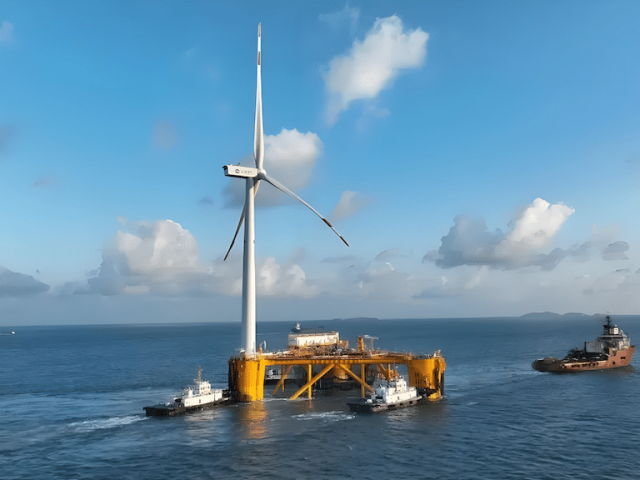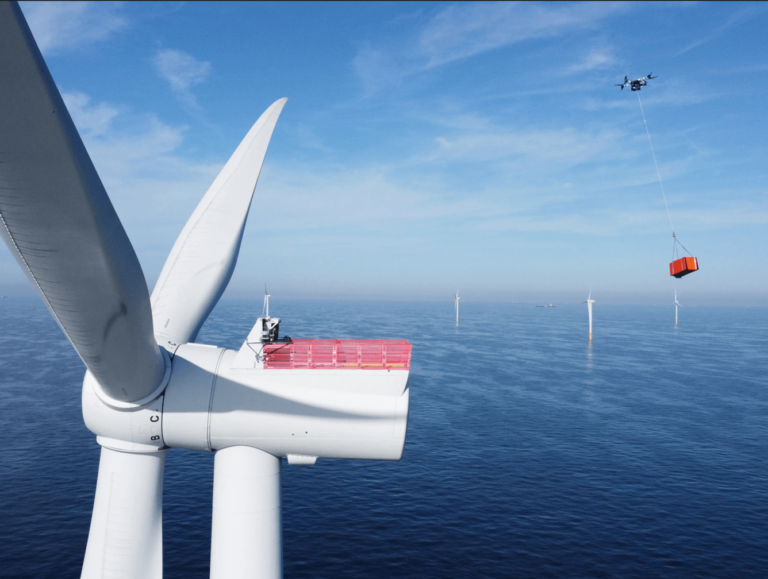
Ørsted is breaking new ground in offshore wind operations. The company has teamed up with UK drone operator Skylift to deliver essential safety‐evacuation equipment to turbines using FlyingBasket heavy‑cargo drones. This is among the largest such drone delivery programs in the world, and it promises big gains in speed, safety, and sustainability.
How the Drone Operation Works
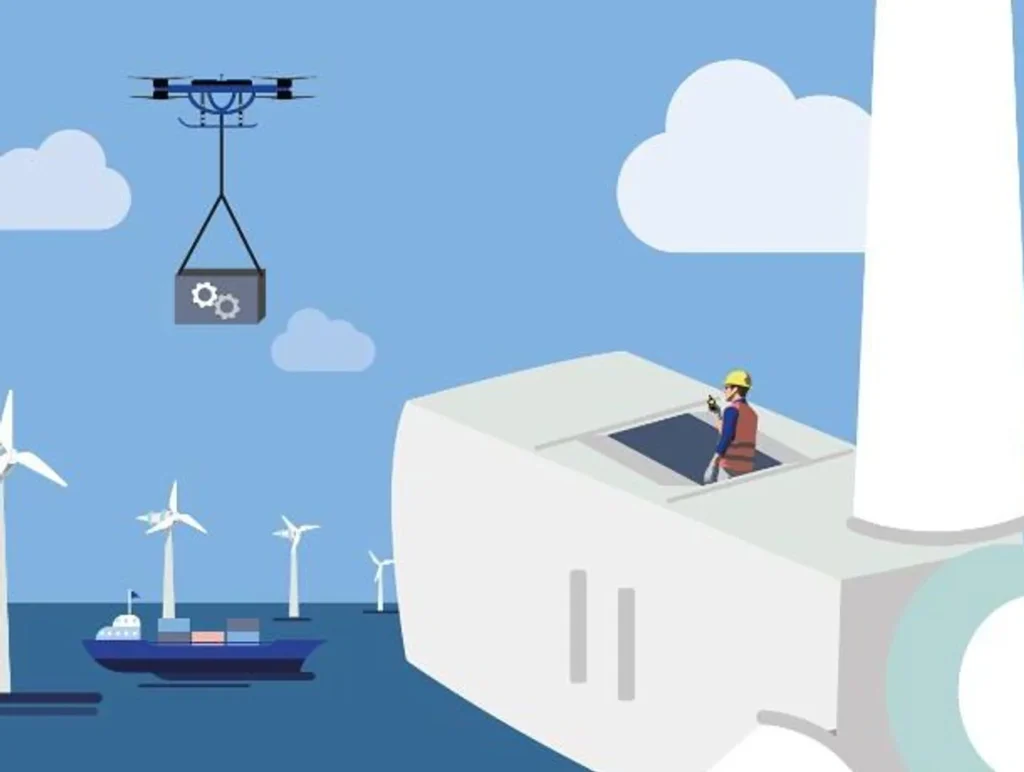
The drones carry boxes weighing up to 70 kg, loaded with vital safety gear. These are transported from support ships and lifted 100 metres up to the nacelle (the top) of each wind turbine.
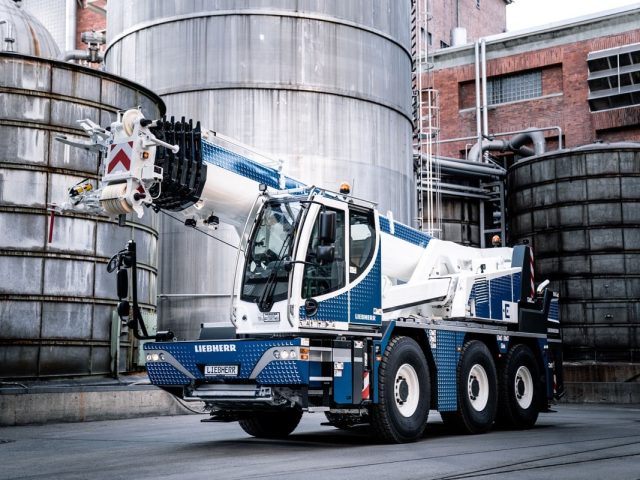
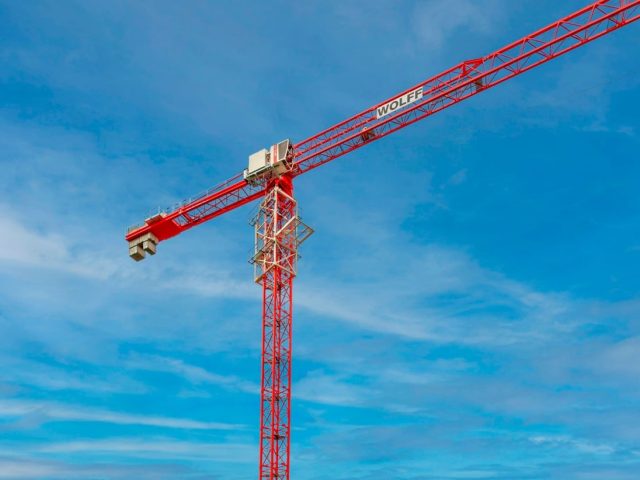
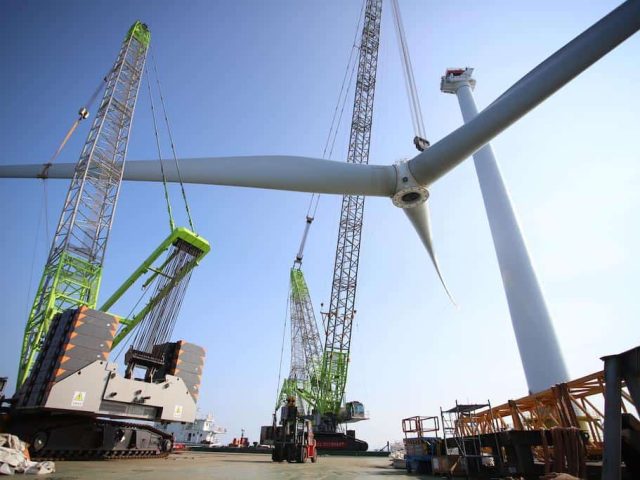
What used to require two crane operations, three technicians, turbine shutdowns of up to six hours, and was limited to one delivery per day, is now being replaced by drone flights that take about five minutes each, don’t require turbine shutdowns, and allow for up to 30 deliveries a day.
Check out the video below.
Benefits for Ørsted & the Offshore Wind Industry
Using drones in this way gives Ørsted several advantages:
- Faster delivery: What was once a long, complex crane operation now takes minutes.
- Reduced downtime: Turbines no longer need shutting off for safety‐gear deliveries. That means less lost power generation.
- Improved safety: Fewer people exposed to risky lifting operations. Also less logistical complexity from heavy crane use.
- Lower costs: Crane rental, manpower, and delays are expensive. Drone operations reduce many of those costs.
- Lower emissions: Drones (especially electric multirotor models) help reduce fuel use, supporting Ørsted’s sustainability goals.
Scaling Up: Scope & Partners
The current program covers more than 550 drone flights servicing over 400 turbines, some located up to 75 miles out at sea.
The drones are supplied by FlyingBasket, which builds strong payload‑capable drones (up to 100 kg) for sectors like energy, construction, and logistics. Skylift integrates hardware, software, design tooling, and operational services to tailor drone solutions to real offshore needs.

Nina F. Le, Ørsted’s Product Manager, emphasized how this approach saves technician time, keeps turbines operational, and significantly increases delivery rate. Moritz Moroder, FlyingBasket’s CEO, expressed pride in seeing their drones operational in demanding offshore wind environments.
What This Means Going Forward
This project is a signal that drone delivery of heavy and critical equipment in offshore operations is moving from pilot / experimental stage into real everyday use. It could reshape maintenance, emergency readiness, and safety logistics in offshore wind—and possibly other marine or remote industrial settings.
If more operators adopt similar programs, we might see:
- Standards or regulations around cargo drones in offshore environments.
- New drone models optimized for harsh marine conditions.
- Improved integration between drone and crane operations, so drones complement rather than replace cranes where needed.
- Greater emphasis on safety, redundancy, and drone reliability, since lives depend on getting safety gear to turbines quickly and dependably.